
Introduction
Eminem is one of the most influential artists in modern music, known for his raw storytelling and emotional honesty. Discussions about Eminem sobriety have become just as impactful as his music career. His openness about addiction, overdose, and long-term recovery has helped reshape how people understand substance use disorder.
At the height of his fame, he faced challenges that many individuals experience privately. His dependence on prescription medications, his near-fatal overdose, and his commitment to rebuilding his life reflect the reality that substance use disorder can impact people across all walks of life, regardless of background or achievement.
For individuals and families across Indiana and beyond, his experience offers something valuable. It shows that recovery develops over time, often requiring persistence, support, and the willingness to make meaningful changes. Most importantly, it highlights that healing can begin at any stage.
Eminem’s Struggle With Addiction
Eminem’s challenges with substance use began during a period of intense professional pressure. As his career accelerated, the demands of touring, recording, and public attention became increasingly difficult to manage. Like many people in high-stress environments, he turned to prescription medications to cope with sleep issues and emotional strain.
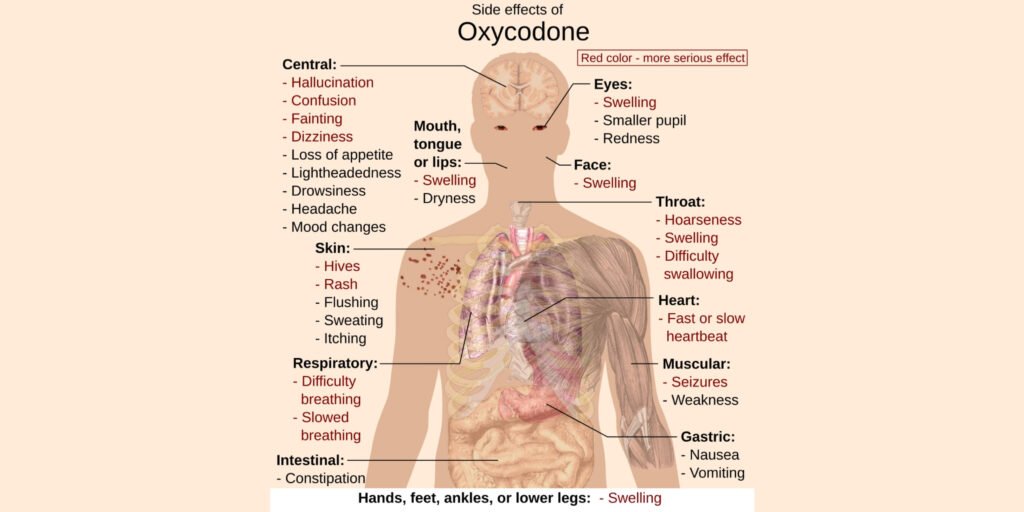
Over time, this use developed into dependency. He has openly discussed relying on substances such as Vicodin, Valium, and Ambien. Although these medications are commonly prescribed, misuse can quickly lead to serious consequences. His experience illustrates how easily dependency can develop when medications are used beyond their intended purpose.
What stands out in his story is how it challenges common assumptions about addiction. Substance use disorder often develops gradually and can affect individuals who appear outwardly successful. The progression is not always obvious until it begins to impact health, relationships, and daily functioning.
As his dependency deepened, it affected multiple areas of his life. Physical health declined, creativity suffered, and personal connections became strained. Despite his visibility, he experienced the same sense of isolation that many people in addiction describe.
Key realities from his experience include:
- Prescription medications can lead to dependency when misused
- Addiction often develops gradually over time
- Substance use disorder can affect people from all backgrounds
- Mental health challenges frequently occur alongside addiction
- Delaying help can increase long-term risks
The Overdose That Changed Everything
In 2007, Eminem experienced a life-threatening overdose that became a defining moment in his life. He later shared that he had taken methadone, believing it was Vicodin, along with other substances. This combination led to a life-threatening overdose. This misunderstanding, combined with the drug’s potency, resulted in a medical emergency that nearly ended his life.
This moment highlights a serious risk associated with substance use. As tolerance builds, individuals may take higher doses or unknowingly misuse medications. These situations significantly increase the likelihood of overdose, especially when opioids are involved.
For many people, a crisis can become a turning point. It forces a direct confrontation with the severity of substance use and its consequences. In his case, surviving the overdose led to a shift in perspective and a renewed focus on recovery.
His experience and long-term sobriety milestones have been widely discussed in major publications. For example, this feature from Men’s Health breaks down how close he came to death and how that moment reshaped his priorities and commitment to recovery.
Important takeaways from overdose experiences include:
- Increased tolerance can lead to dangerous dosing decisions
- Misidentifying substances raises the risk of overdose
- Combining medications can be life-threatening
- Overdose often reflects advanced substance use disorder
- Immediate care and follow-up treatment are critical
How Eminem Built Long-Term Sobriety After Overdose
After surviving his overdose, Eminem committed to building a sober life. This process required consistent effort and significant lifestyle changes. Like many individuals in recovery, he had to learn new ways to manage stress, emotions, and daily responsibilities without relying on substances.
He has spoken about attending recovery meetings and finding accountability through structured environments. These spaces provide connection and shared understanding, which can help reduce feelings of isolation. Being surrounded by others with similar experiences often strengthens long-term commitment.
A key part of his progress involved rediscovering purpose. Music became a healthier outlet, allowing him to process emotions and maintain focus. Developing positive coping strategies is an essential part of recovery, helping individuals replace harmful behaviors with meaningful activities.
His long-term sobriety has been widely recognized in media coverage. In this article from Men’s Journal, his sobriety milestones are highlighted as a reflection of the discipline and structure required to maintain long-term recovery.
Addressing mental health also played a role in his journey. Many individuals benefit from dual-diagnosis care, which treats both substance use and underlying emotional challenges at the same time.
Common elements in sustained recovery include:
- Structured programs or recovery communities
- Development of healthier coping strategies
- Daily routines that support stability
- Integrated mental health care
- Long-term commitment to personal growth
If you’ve ever felt stuck or unmotivated during recovery, that experience is more common than people realize. This guide on how motivation shifts during addiction treatment breaks down why those moments happen and how effective programs adapt to support long-term progress.
The Truth About Relapse in Addiction Recovery
Relapse is often misunderstood. Many people view it as a failure, but it is more accurately a signal that something in the recovery process needs attention. Progress often involves adjustment, reflection, and continued growth.
Eminem’s experience reflects the reality that maintaining sobriety requires ongoing awareness and effort. Even with long-term stability, challenges may arise that call for reassessment and renewed focus.
When relapse occurs, it can point to unmet needs such as stress, unresolved trauma, or insufficient support. Addressing these factors can strengthen future progress and reduce the likelihood of repeated difficulties.
Reducing stigma around relapse is essential. When people feel judged, they are less likely to seek help. When they feel supported, they are more likely to re-engage in care and continue moving forward.
Important truths about relapse include:
- Setbacks can provide insight into recovery needs
- Emotional and environmental triggers play a major role
- Mental health challenges increase vulnerability
- Timely intervention improves long-term outcomes
- Accountability and connection support re-engagement
Relapse is often part of a broader healing process. In this breakdown of Demi Lovato’s experience, you can see how setbacks, public pressure, and ongoing healing intersect in real life, and why continued support plays such a critical role over time.
Lessons From Eminem’s Story
Eminem’s journey offers meaningful addiction recovery lessons that extend beyond celebrity. His experience highlights resilience, self-awareness, and the importance of ongoing effort in building a stable life.
Recognizing when substance use becomes harmful is often the first turning point. Honest self-reflection can create the awareness needed to seek help and begin making meaningful changes. Learning to recognize the signs of addiction you can’t ignore can also help individuals and families identify when substance use has moved beyond occasional or recreational use and may require professional support.
His story also shows that recovery is built through persistence. Progress may not always be immediate, but consistent effort over time can lead to lasting change.
Connection plays an equally important role. Support from peers, professionals, and trusted individuals can provide guidance, accountability, and encouragement during difficult moments.
Key insights from his experience include:
- Change can begin at any stage
- Self-awareness supports better decision-making
- Consistency is more impactful than short-term effort
- Connection strengthens recovery outcomes
- Healthy routines create long-term stability
Looking at other recovery journeys can provide perspective and encouragement. For example, Ben Affleck’s experience with alcohol use highlights how relapse and long-term commitment often go hand in hand.
You can also explore Drew Barrymore’s path, which shows how quieter, personal recovery journeys can be just as powerful and meaningful.
Why Ongoing Support Matters in Long-Term Recovery
Sustaining recovery involves building a lifestyle that supports stability and well-being. This includes developing habits, maintaining structure, and staying engaged in care over time.
Eminem’s long-term sobriety reflects consistency in these areas. Maintaining routines and prioritizing mental health can help individuals navigate stress and life changes without returning to substance use.
Ongoing care plays a critical role in sustaining recovery. Therapy, peer groups, and outpatient programs provide ongoing guidance and accountability. These resources help individuals continue progressing while managing real-world responsibilities.
Addressing underlying experiences is also essential. Approaches such as trauma-informed care and dual-diagnosis care focus on the full picture, supporting both emotional health and recovery.
Effective long-term recovery strategies often include:
- Individual and group therapy
- Structured outpatient programs
- Relapse prevention strategies
- Mental health support
- Reliable personal support systems
How Sunrise Recovery Supports Long-Term Sobriety
At Sunrise Recovery, we recognize that recovery requires more than a single intervention. It involves consistent, structured care that adapts to each individual’s needs over time.
Our programs across Indiana provide multiple levels of support. The Lafayette facility offers co-ed inpatient care with 24/7 care and clinical support. In Clarksville, gender-specific inpatient programs create focused environments for men and women to work through recovery in supportive settings.
For individuals who require detoxification, Sunrise Recovery helps coordinate safe medical detox services before transitioning into structured treatment.
For those transitioning into daily life, our Jeffersonville location offers Partial Hospitalization (PHP) and Intensive Outpatient Programs (IOP). These options provide flexibility while maintaining structure and accountability.
We use evidence-based treatment, dual-diagnosis care, and trauma-informed approaches to address both substance use and underlying challenges. This comprehensive model supports individuals in building long-term stability and confidence.
Our goal is to help every person recover with dignity, whether they are starting for the first time or continuing after a setback.
What Eminem Sobriety Teaches About Real Recovery
The story of Eminem’s sobriety offers a clear and realistic view of recovery. It reflects the challenges, the turning points, and the sustained effort required to build a healthier life.
If you or someone you care about is facing substance use challenges, support is available. Change is achievable, and taking the next step can lead to meaningful progress over time.
At Sunrise Recovery, we provide evidence-based treatment, trauma-informed care, and 24/7 support in our inpatient programs. You deserve compassionate care and a path forward that works for you. Call 24/7 at (877) 978-6747 or Chat Now (Confidential) to speak with our team.
Frequently Asked Questions About Eminem Sobriety and Recovery
1. How long has Eminem been sober?
Eminem has been sober since 2008, following a life-threatening overdose in 2007. He has spoken publicly about maintaining over a decade of sobriety and marking key milestones along the way. His long-term recovery highlights the role of consistency, structure, and ongoing accountability in maintaining stability over time.
2. What caused Eminem’s overdose?
His overdose was caused by taking methadone, believing it was Vicodin, along with other substances. This combination led to a dangerous level of opioid toxicity and nearly resulted in his death. This situation reflects a common risk in substance use disorder, where medication misuse or misidentification can lead to life-threatening consequences. It also underscores the importance of medical supervision and early intervention.
3. Did Eminem relapse during his recovery?
Like many individuals in recovery, his journey included challenges along the way. While he ultimately achieved long-term sobriety, his experience reflects the reality that setbacks can occur during the recovery process. These moments often highlight areas where additional support or adjustments are needed, and they do not erase progress already made.
4. What can we learn from Eminem sobriety?
His journey offers several important lessons for anyone facing substance use challenges. It demonstrates that recovery requires honesty, persistence, and a willingness to seek help. It also emphasizes the importance of addressing mental health alongside addiction through approaches such as dual-diagnosis care. Most importantly, it shows that long-term recovery is built through steady effort and support systems over time.
5. Why is ongoing support important in addiction recovery?
Ongoing support plays a critical role in maintaining long-term recovery. It provides structure, accountability, and access to professional guidance during difficult periods. Many individuals benefit from combining therapy, peer support, and outpatient care to stay on track. Continued engagement in care strengthens stability and helps reinforce healthy routines over time.