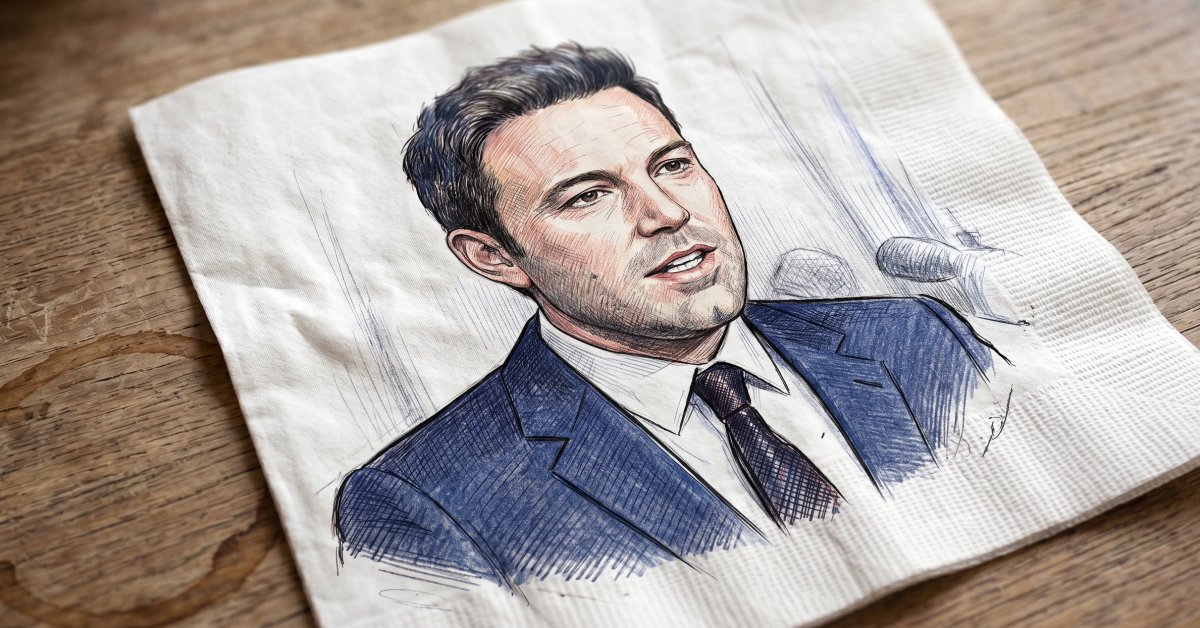
Ben Affleck’s battle with alcoholism has been widely publicized, but discussions around Ben Affleck addiction go beyond headlines. His story reflects a very real struggle that millions face every day. Addiction does not discriminate. It affects individuals regardless of success, wealth, or public status, and it often brings complex challenges that require professional care and personal support.
Over the years, Affleck has openly acknowledged entering treatment multiple times, experiencing relapses, and recommitting to sobriety. By sharing his experiences, he has helped reduce stigma, showing that recovery is not a single event but an ongoing process requiring accountability, effort, and guidance from trained professionals.
By examining what is confirmed about his journey and separating it from speculation, we can better understand the realities of alcohol dependence, the role of treatment, and why long-term recovery often includes setbacks. Most importantly, his story underscores a key truth: seeking help is a sign of strength, and recovery is possible with the right support.
Ben Affleck’s History With Alcoholism
Affleck’s relationship with alcohol became public in the early 2000s, despite his rising success in Hollywood. Headlines captured his struggles, with images of him intoxicated making waves in the media. His first rehab stint in 2001 marked the beginning of a long fight against addiction. Over the years, Affleck has spoken openly about how alcohol became a way to cope with stress and personal challenges, leading to a cycle of dependency.
According to research, stress plays a big role in both developing alcoholism and relapsing after treatment. It affects brain chemicals like serotonin and dopamine, which are linked to addiction. That’s why learning healthy ways to manage stress—like using coping skills, problem-solving, and having a strong support system—is key to long-term recovery.
His struggles became more publicly visible in the 2010s, during a period of significant personal and professional change. In multiple interviews, he has acknowledged how personal and professional pressures contributed to his drinking. Despite his best efforts, maintaining sobriety proved difficult, and his struggles continued to play out in the public eye.
Affleck’s journey shows how tough alcoholism can be, making it important to recognize the warning signs early. Our team supports individuals facing similar struggles through evidence-based alcohol treatment programs designed to address both the physical and emotional aspects of addiction.
What’s Confirmed vs. Rumors
Ben Affleck has publicly confirmed entering rehab in 2001, 2017, and 2018. He has also spoken in interviews about experiencing relapse and continuing to work on long-term sobriety. These details are supported by statements he has made directly and by major media coverage.
However, online discussions often include speculation about timelines, severity, and private matters that have never been verified. It’s important to rely on credible reporting and Affleck’s own words rather than rumors.
Addiction is a medical condition, not entertainment. Focusing on confirmed information allows us to shift the conversation from gossip to education and awareness.
The Road to Recovery
Commitment to Sobriety
In 2018, he sought treatment again with support from family members, reinforcing the importance of having a strong personal support system during recovery. This period marked a turning point, as he became more vocal about the importance of structured treatment programs, support groups, and lifestyle changes in sustaining sobriety.
Challenges and Relapses
Like many battling alcoholism, Affleck faced setbacks, including publicly acknowledged setbacks after periods of sobriety, which he later described as part of the ongoing challenges of addiction recovery. However, he did not allow this setback to define his recovery journey. He later acknowledged the relapse, emphasizing that addiction is a chronic disease that requires continuous effort and self-awareness.
How Affleck Inspires Others
The Importance of Seeking Help
Affleck’s journey highlights the importance of getting the right support when facing addiction. He has openly shared how rehab, therapy, and a strong support system have played key roles in his recovery. His experience shows that no one has to go through addiction alone. Seeking help from professionals, loved ones, and support groups can make a real difference in the recovery process.
By acknowledging that recovery takes time and effort, Affleck reinforces the idea that asking for help is a sign of strength, not weakness. His story serves as a reminder that overcoming addiction isn’t just about willpower; it requires medical care, emotional support, and a commitment to lasting change.
Signs of Alcohol Addiction
Recognizing alcohol addiction early can prevent long-term harm. Common warning signs include:
- Drinking more than intended or struggling to stop
- Increased tolerance
- Withdrawal symptoms (shaking, sweating, anxiety)
- Neglecting responsibilities
- Continuing to drink despite relationship or health problems
If these signs are present, professional evaluation may be necessary.
How Treatment Works: Detox, Inpatient, and Outpatient Care
Recovery often begins with medical detox services, where withdrawal symptoms are monitored and managed safely under professional supervision.
After detox, individuals may enter:
- An inpatient rehab program, which provides 24/7 structured care in a supportive environment
- Flexible outpatient treatment options, which allow individuals to live at home while attending therapy and support sessions
The right level of care depends on medical history, severity of addiction, and support systems.
Relapse Prevention and the Role of Family Support
Relapse prevention involves:
- Identifying triggers
- Developing coping strategies
- Ongoing therapy
- Peer support
Learning and practicing effective strategies to decline alcohol can also help individuals navigate social situations, manage pressure to drink, and stay committed to their recovery goals.
Family support plays a major role. Studies show that individuals with healthy support systems are more likely to maintain sobriety. Encouragement, accountability, and clear communication can significantly strengthen recovery outcomes.
For individuals seeking help close to home, we provide care through our Clarksville, Jeffersonville, and Lafayette locations, making professional support accessible throughout Southern Indiana.
Final Thoughts
Frequently Asked Questions About Ben Affleck's Addiction and Alcohol Recovery
1. Has Ben Affleck spoken publicly about addiction?
Yes. He has openly discussed entering rehab multiple times and has described addiction as a lifelong challenge requiring continued effort.
2. How common is relapse in alcohol recovery?
Relapse rates for substance use disorders are similar to those of other chronic conditions. Setbacks can occur, but they do not mean recovery has failed.
3. Is alcohol addiction a disease?
Yes. Alcohol use disorder is recognized as a chronic medical condition that affects brain chemistry, behavior, and decision-making.
4. What are the early signs someone needs treatment?
Frequent drinking, withdrawal symptoms, inability to cut back, and alcohol affecting relationships or work may indicate a need for professional help.
5. How long does alcohol treatment last?
Treatment length varies. Detox may last several days, while inpatient or outpatient programs can range from weeks to months, depending on individual needs.
6. Can someone recover after multiple relapses?
Absolutely. Many people achieve lasting sobriety after experiencing relapse. Continued support and structured care improve long-term outcomes.