
Introduction
Prescription medications help millions of people manage pain, recover from illness, and treat a variety of physical and mental health conditions. When used exactly as prescribed, they are safe and effective for many patients. However, prescription drug misuse can occur when medications are taken differently than directed, increasing the risk of serious health complications.
Many people who develop problems with prescription medications began taking them for legitimate medical reasons. Over time, taking an extra dose or continuing medication longer than prescribed can gradually lead to dependence. Recognizing these early changes can help people seek support before the problem worsens.
Understanding what prescription drug misuse is, recognizing the warning signs, and knowing when to seek professional support can help individuals and families make informed decisions. Recovery is possible, and compassionate, evidence-based treatment is available.
What Is Prescription Drug Misuse?
Prescription drug misuse refers to using prescription medication in any way other than how a healthcare provider prescribed it. This may include taking higher doses, using medication more often than directed, taking someone else’s prescription, or continuing to use a medication after it is no longer medically necessary. According to the U.S. Food and Drug Administration (FDA), prescription medications should always be used exactly as directed to reduce the risk of harmful side effects, overdose, and addiction.
Importantly, misuse of prescription drugs is not always intentional. Some people may increase a dose because they believe it will provide better pain relief or help them sleep. Others may continue taking medication because they worry their symptoms will return. While these actions may seem harmless, they can increase the risk of developing physical dependence over time.
Certain medications have a greater potential for misuse because they affect the brain and nervous system. These include prescription painkillers such as opioids, benzodiazepines used to treat anxiety, prescription stimulants prescribed for ADHD, and certain sleep medications. Although opioids receive significant public attention because of the ongoing overdose crisis, every type of prescription medication carries risks when it is used outside a healthcare provider’s instructions. Many people who develop prescription drug addiction first received these medications for legitimate medical reasons, highlighting the importance of education, early intervention, and compassionate care.
Warning Signs of Prescription Drug Misuse
The signs of prescription drug misuse often develop gradually and may be mistaken for everyday health changes. A person may begin taking medication earlier than scheduled, request refills more frequently, or feel increasingly anxious about running out of their prescription. These changes do not always indicate addiction, but they deserve attention and an open conversation with a healthcare provider.
Behavioral changes may also become noticeable. Someone experiencing prescription drug abuse may lose interest in hobbies, withdraw from family or friends, experience mood swings, or have difficulty meeting responsibilities at work or home. Depending on the medication involved, physical symptoms such as excessive drowsiness, poor coordination, memory problems, or unusual changes in energy levels may also occur.
Recognizing these warning signs early can help prevent more serious health complications. Learn how dependence can develop gradually in Sunrise Recovery’s blog, Christine Brown: Oxycodone Addiction: A Short-Term Prescription, A Long-Term Lesson, which illustrates how dependence can develop gradually, even when medication was originally prescribed for a legitimate medical need. Early awareness and compassionate support can make a meaningful difference in recovery.
Health Risks of Prescription Drug Misuse
Healthcare providers carefully prescribe medications after weighing their benefits against potential risks. When these medications are taken differently than intended, those risks can increase significantly. The effects vary based on the medication, dosage, and a person’s overall health, but misuse can affect both physical and mental well-being. According to the Centers for Disease Control and Prevention (CDC), opioids are associated with an increased risk of overdose, especially when taken in higher doses or combined with other substances that slow breathing.
For example, opioid misuse can lead to slowed breathing, impaired judgment, extreme drowsiness, and overdose, which can be life-threatening. Misusing stimulants may contribute to anxiety, elevated heart rate, or cardiovascular problems, while benzodiazepines can increase the risk of falls, confusion, and dangerous withdrawal symptoms if they are stopped abruptly. In many cases, combining prescription medications with alcohol or other drugs further increases the likelihood of serious complications.
Long-term misuse can also affect relationships, work performance, financial stability, and emotional health. Individuals may find themselves focusing more on obtaining medication than on daily responsibilities or activities they once enjoyed. Sunrise Recovery’s article on the Consequences of Fentanyl on Brain Activity explains how powerful opioids can affect brain function and why early intervention is so important. Understanding these risks can help individuals recognize when it is time to seek professional support before prescription drug misuse develops into a more serious substance use disorder.
How Prescription Drug Misuse Can Lead to Dependence or Addiction
One of the most common misconceptions is that addiction happens suddenly. In reality, prescription drug addiction often develops gradually. As the body becomes accustomed to certain medications, a person may develop tolerance, meaning the same dose no longer produces the desired effect. This can lead to taking larger amounts or using the medication more frequently than prescribed, increasing the risk of physical dependence.
Physical dependence means the body has adapted to the medication and may experience withdrawal symptoms if it is reduced or stopped too quickly. Dependence alone does not necessarily mean a person has addiction, but it can be an important warning sign. Addiction involves compulsive medication use despite negative consequences and difficulty controlling its use. Because these changes often happen gradually, many people do not realize they need help until their health or daily life is affected.
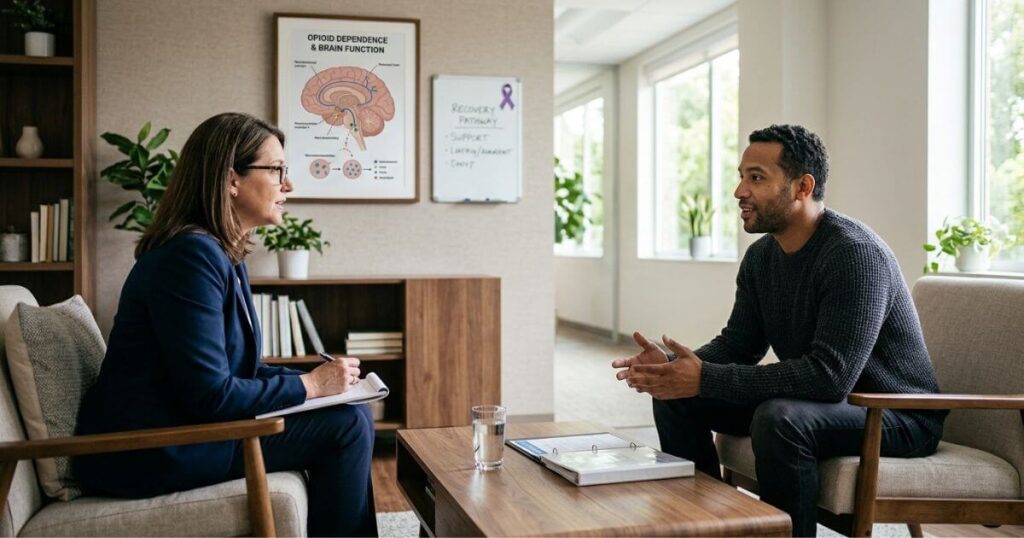
Seeking professional support early can help prevent further complications. At Sunrise Recovery, treatment begins with a comprehensive assessment to understand each person’s medical history, substance use, mental health needs, and recovery goals. Based on this evaluation, the clinical team develops an individualized treatment plan. Depending on the individual’s needs, recovery may begin with medically supervised detox before continuing into residential treatment or outpatient programs such as a Partial Hospitalization Program (PHP) or Intensive Outpatient Program (IOP). When appropriate, treatment may also address co-occurring mental health conditions and include Medication-Assisted Treatment (MAT) alongside evidence-based therapies. Sunrise Recovery offers Medical Detox Treatment in Indiana, where individuals can safely begin recovery under 24-hour medical supervision.
When to Seek Professional Help for Prescription Drug Misuse
Realizing that prescription medication use has become difficult to control can feel overwhelming, but reaching out for help early is one of the most important steps a person can take. Whether you are concerned about yourself or someone you love, a comprehensive assessment can help determine whether medication use has become harmful and what type of support may be most appropriate. Early intervention often leads to better health outcomes and may prevent more serious complications.
Some individuals benefit from speaking with the healthcare provider who prescribed their medication, while others may require comprehensive prescription drug treatment for a substance use disorder. Signs that professional care may be needed include repeated unsuccessful attempts to cut back, experiencing withdrawal symptoms, continuing to use medication despite negative consequences, or finding that medication use is interfering with work, relationships, or daily responsibilities. There is no “right” time to ask for help. The earlier concerns are addressed, the more treatment options may be available.
At Sunrise Recovery, every person’s recovery journey is individualized. Following a comprehensive assessment, the care team recommends the level of treatment that best fits the individual’s needs. Depending on the situation, this may include medically supervised detox, residential treatment, Partial Hospitalization (PHP), Intensive Outpatient Program (IOP), behavioral therapies, relapse prevention planning, medication management, and ongoing alumni support. The goal is not only to help individuals stop misusing prescription medications but also to equip them with the skills and support needed for lasting recovery.
Recovery Is Possible with the Right Support
Prescription medications can improve lives when used as directed, but prescription drug misuse can gradually lead to dependence or addiction, often without a person realizing it. Understanding the warning signs, recognizing the health risks, and seeking help early can make a meaningful difference. With timely intervention and evidence-based care, recovery is achievable, and many people successfully regain their health, rebuild relationships, and return to fulfilling lives.
If you or someone you love is concerned about prescription drug misuse, know that help is available. At Sunrise Recovery, treatment is personalized to each individual’s needs and may include medical detox, residential treatment, outpatient programs, and ongoing recovery support. Learning about your options and speaking with a qualified treatment professional can be an important first step toward recovery. Seeking help early is a sign of strength, and with compassionate, evidence-based care, lasting recovery is possible.
Frequently Asked Questions About Prescription Drug Misuse
What is considered prescription drug misuse?
Prescription drug misuse is using a prescription medication in any way other than directed by a healthcare provider. This can include taking higher doses, using medication more often than prescribed, taking someone else’s prescription, or continuing to use medication after it is no longer medically necessary.
Can prescription drug misuse lead to prescription drug addiction?
Yes. Many people who develop prescription drug addiction began taking medication for a legitimate medical condition. While not everyone becomes addicted, some medications can lead to tolerance, physical dependence, or addiction when used over time or differently than prescribed.
What are the warning signs of prescription drug abuse?
Warning signs of prescription drug abuse may include taking medication more frequently than prescribed, running out of prescriptions early, craving the medication, withdrawing from family or friends, changes in mood or behavior, and continuing medication use despite negative consequences.
When should someone seek prescription drug treatment?
Professional help should be considered if medication use becomes difficult to control, withdrawal symptoms occur, or misuse begins affecting physical health, relationships, work, or daily responsibilities. Early prescription drug treatment often leads to better recovery outcomes.
Can prescription drug misuse be treated successfully?
Yes. Prescription drug misuse can be treated successfully with evidence-based, individualized care. Depending on a person’s needs, treatment may include medical detox, behavioral therapies, medication management, counseling, and ongoing recovery support. Seeking help early can reduce the risk of serious health complications and improve the chances of long-term recovery. Many people who receive professional treatment successfully regain their health and build fulfilling lives in recovery.