Introduction
It is common to hold onto medications after they are no longer needed. A prescription from a recent procedure, leftover pain medication, or an expired bottle can easily be forgotten in a cabinet or drawer. While it may not seem urgent, these medications can create risks over time if they remain accessible.
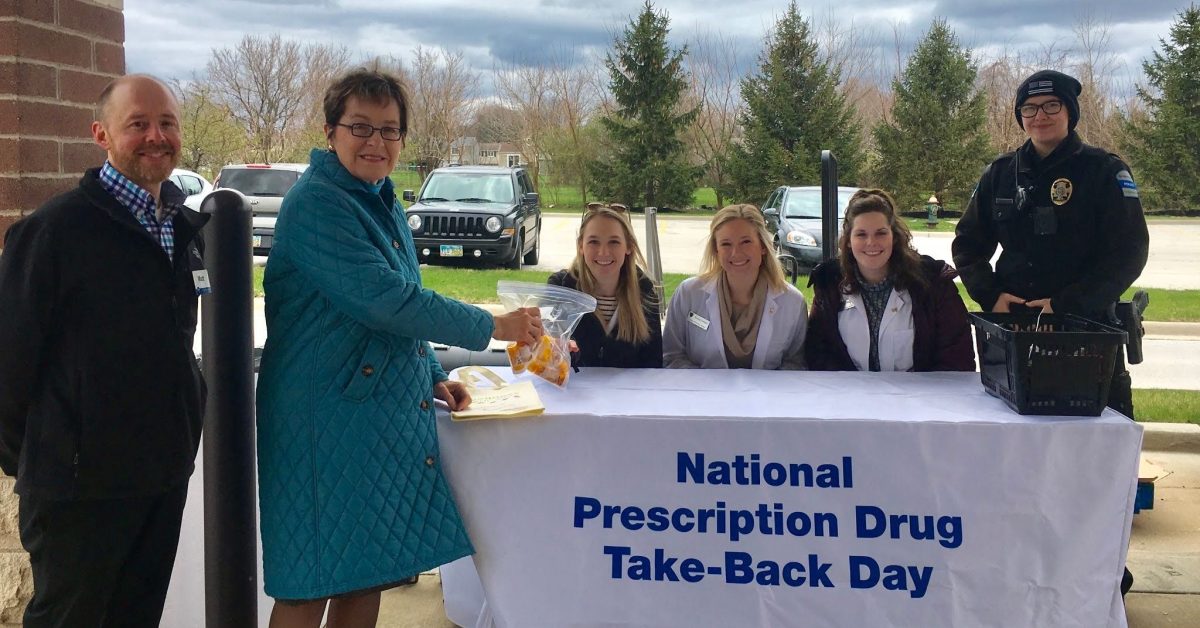
National Prescription Drug Take Back Day 2026 highlights a simple but important step you can take to reduce those risks. This national event encourages individuals and families to safely dispose of medications that are no longer in use, helping remove them from everyday environments where they could be misused or accidentally taken.
Many people do not realize that prescription drug misuse often begins with medications obtained from friends or family members. Events like Drug Take Back Day in April 2026 are designed to reduce that access point and promote safer habits.
Across Indiana communities served by Sunrise Recovery, safe medication practices are part of a broader effort to support awareness and prevention. Taking the time to dispose of old medications is a small action that contributes to a safer home and a healthier community.
What Is National Prescription Drug Take Back Day 2026?
National Prescription Drug Take Back Day 2026 is a nationwide initiative organized by the U.S. Drug Enforcement Administration (DEA). It provides structured opportunities for individuals to dispose of unused prescription drugs safely and responsibly. The event is held twice a year, typically in April and October.
The purpose of this initiative is to address the growing concern around medications that are no longer in use but still accessible. Even when prescribed appropriately, these substances can become harmful if taken incorrectly or by someone other than the intended individual. Take Back Day creates a reliable way to remove these medications from circulation.
Communities across Indiana, including those near Lafayette, Clarksville, and Jeffersonville, participate in this effort. Drop-off sites are typically located at pharmacies, law enforcement offices, and community centers, making participation convenient and accessible.
You can find official event details and nearby collection sites through the DEA’s Take Back Day program. The DEA also partners with local law enforcement and community organizations to ensure safe and secure collection nationwide.
In some cases, medications that begin as short-term treatment can lead to longer-term challenges when they remain accessible. Understanding how prescription pain medication can gradually lead to dependency offers helpful insight into why early prevention matters.
Most collection sites accept both prescription and over-the-counter medications. However, certain items, such as needles or sharps, may not be accepted, so it is helpful to check local guidelines before attending.
What You Can Expect on Take Back Day:
- Free and anonymous medication drop-off
- Secure, professionally managed disposal
- No personal information required
- Local participation from pharmacies and law enforcement
- A focus on reducing access to unused medications
Why Safe Medication Disposal Matters
Proper medication disposal protects both public health and the environment. When medications are handled responsibly at the end of their use, they are prevented from entering systems where they could cause harm.
One key concern is environmental impact. Throwing medications in the trash or flushing them can introduce pharmaceutical substances into water systems and soil. Many treatment facilities are not designed to fully remove these compounds, allowing them to persist in the environment.
Another important factor is limiting unnecessary exposure. Medications left in the home can be taken unintentionally or used outside of medical guidance. Removing them through structured disposal programs reduces this risk and supports safer household environments.
These efforts also support broader public health strategies aimed at reducing long-term harm. Awareness initiatives help individuals better understand how substances affect both physical and mental health. Learning how early exposure to drugs can impact long-term health outcomes reinforces the importance of responsible medication practices.
Why Disposal Is Important:
- Helps protect water systems and ecosystems
- Limits access to unused medications
- Reduces risk of accidental exposure
- Supports public health prevention efforts
- Encourages responsible medication management
The Risks of Keeping Unused Prescription Drugs at Home
Keeping unused prescription medications at home can lead to unintended or unsafe use. When medications remain easily accessible, they can shape how individuals think about use, safety, and decision-making over time.
One concern is how accessibility can lead to unintentional habits. Medications that are visible or easy to reach may be used without fully considering dosage, timing, or medical guidance. This can gradually shift how substances are perceived and used in everyday situations.
There is also the potential for intentional misuse. Prescription drugs may be taken without guidance, used in larger amounts than prescribed, or shared with others. These behaviors often begin with convenience but can develop into patterns that increase risk over time.
Social and environmental factors also play a role. When medications are kept and reused casually, it can normalize non-prescribed use within a household or peer group. Over time, this can reduce perceived risk and increase the likelihood of repeated misuse.
Some medications have especially strong effects on the brain. Understanding how substances like fentanyl influence brain activity highlights how serious these risks can be, even at low doses.
Common behavior-related risks include:
- Using medication without proper guidance
- Misjudging safe dosage or timing
- Sharing medications with others
- Normalizing non-prescribed use
- Gradual shifts toward dependency
How to Safely Dispose of Medications on Take Back Day
Once you identify medications that are no longer needed, the next step is knowing how to dispose of them safely. National Take Back Day provides a reliable and organized option.
Begin by gathering all unused, expired, or no-longer-needed medications from your home. This includes prescriptions that have been discontinued, expired medications, and anything no longer needed. Checking all common storage areas ensures nothing is overlooked.
Next, visit a designated drop-off location. These sites are set up to securely collect medications and ensure they are handled appropriately. The process is simple and does not require personal information.
After collection, medications are processed using approved disposal methods that prevent environmental harm and eliminate the possibility of reuse.
Steps for Safe Disposal:
- Gather unused and expired medications
- Remove personal information from packaging
- Visit a local Take Back Day location
- Place medications in designated bins
- Follow on-site instructions
What to Do If You Miss Drug Take Back Day
If you miss National Prescription Drug Take Back Day 2026, there are still safe disposal options available.
Many pharmacies offer year-round medication disposal kiosks. These provide a convenient alternative and are often located in easily accessible areas within the community.
Mail-back programs are another option, allowing medications to be sent to authorized facilities for proper disposal. This can be especially useful for individuals who prefer a private option.
When official disposal options are not available, the FDA provides guidance on safe at-home methods for disposing of unused medications.
These methods typically involve mixing medications with undesirable substances before placing them in a sealed container.
Alternative Disposal Options:
- Pharmacy disposal kiosks
- Mail-back programs
- Community collection events
- Authorized disposal sites
- At-home disposal as a last resort
Preventing Prescription Drug Misuse in Your Community
Preventing prescription drug misuse requires ongoing awareness and shared responsibility. While safe disposal is an important step, long-term prevention depends on education and communication.
Educational efforts help individuals understand how prescription drugs can affect the body and mind. When people are informed, they are more likely to make decisions that prioritize safety.
Open conversations within families and communities can also reduce stigma and encourage responsible behavior. Creating an environment where questions can be asked helps individuals make informed choices.
Some substances used in medical settings still carry risks when misunderstood. Learning more about how medications like ketamine are used and where risks can arise supports a more balanced understanding.
Ways to Support Prevention:
- Promote education about medication safety
- Encourage proper storage and disposal
- Support open discussions
- Partner with local organizations
- Participate in awareness initiatives
When to Seek Help for Prescription Drug Use
Recognizing when to seek help is an important step in addressing prescription drug use. While many individuals use medications as directed, changes in behavior or patterns can signal the need for support.
Some individuals may begin using medications differently than prescribed. Others may experience changes in mood, focus, or daily functioning. These changes can develop gradually and may not always be immediately recognized.
Seeking help early can provide the opportunity to address concerns before they become more complex. At Sunrise Recovery, we provide compassionate, trauma-informed care that meets individuals where they are.
Our approach includes evidence-based treatment, dual-diagnosis care, and support that focuses on helping individuals recover with dignity.
Signs It May Be Time to Seek Support:
- Difficulty following the prescribed use
- Using medications without guidance
- Behavioral or emotional changes
- Physical dependence symptoms
- Impact on daily life
Treatment Options at Sunrise Recovery
At Sunrise Recovery, treatment is designed to support individuals at every stage of recovery. We provide a full continuum of care across Indiana, helping individuals address prescription drug use in a structured and supportive environment.
Our inpatient programs in Lafayette and Clarksville, Indiana offer a higher level of care with 24/7 support. These programs provide a stable setting where individuals can focus fully on recovery, participate in therapy, and begin building healthier coping strategies. Clarksville offers separate programs for men and women, allowing care to be tailored to individual needs.
For those who do not require residential care or are transitioning from inpatient treatment, our Jeffersonville location offers Partial Hospitalization (PHP) and Intensive Outpatient Programs (IOP). These programs provide flexibility while maintaining strong clinical support.
Across all locations, our team delivers evidence-based treatment, trauma-informed care, and dual-diagnosis care. We understand that recovery is personal, and we are here to support each individual with compassion, structure, and respect.
Taking the Next Step: Protect Your Home and Get Support
National Prescription Drug Take Back Day 2026 is more than just a one-day event. It is an opportunity to take meaningful action that protects your home, your loved ones, and your community. By choosing to use responsible disposal methods for medications, you help prevent unintended use, reduce potential harm, and support long-term public health efforts.
Even small steps, like clearing out a medicine cabinet, can reduce the risk of misuse and accidental exposure. Participating in Drug Take Back day April 2026 or using a trusted disposal option ensures medications are handled safely and responsibly.
If you have medications at home that are no longer needed, now is the time to act. And if prescription drug use has become a concern for you or someone close to you, it may be time to seek additional support. You do not have to navigate this alone.
At Sunrise Recovery, our team provides compassionate, evidence-based, and trauma-informed care designed to support each person’s unique path to recovery. With inpatient and outpatient programs across Indiana, we offer structured support, dual-diagnosis care, and 24/7 guidance for those who need it.
Call 24/7 at (877) 978-6747 or Chat Now (Confidential). Support is available when you are ready to take the next step.
National Prescription Drug Take Back Day 2026: Frequently Asked Questions
1. When is National Prescription Drug Take Back Day 2026?
National Prescription Drug Take Back Day 2026 is typically held in April and October, with the spring event often taking place in late April. The exact date is announced by the U.S. Drug Enforcement Administration (DEA) each year. These events are scheduled to provide consistent opportunities for communities to dispose of unused medications safely. Checking the official DEA website or local pharmacy listings can help you confirm specific dates and nearby locations.
2. What items can you bring to Drug Take Back Day April 2026?
Most Take Back Day locations accept unused prescription drugs, over-the-counter medications, and certain medical patches. These programs are designed to handle medications safely and prevent them from being misused or improperly discarded. However, items like needles, sharps, and illicit substances are typically not accepted. It is always a good idea to review local guidelines before attending to ensure you bring appropriate items.
3. Why is safe medication disposal important?
Safe medication disposal is important because it helps limit unnecessary exposure to unused prescription drugs and reduces the risk of accidental or unintended use. It also plays a role in protecting the environment, as improper disposal methods can introduce pharmaceutical substances into water systems. By using structured programs like Take Back Day, individuals contribute to broader public health and environmental safety efforts. This simple action supports long-term prevention and community well-being.
4. How do you dispose of old medicine if you miss Drug Take Back Day?
If you miss Drug Take Back Day, there are still safe ways to dispose of old medicine. Many pharmacies offer year-round disposal kiosks where medications can be dropped off securely. Mail-back programs are also available and allow medications to be sent to authorized facilities. If these options are not accessible, the FDA recommends specific at-home disposal methods, such as mixing medications with undesirable substances and sealing them in a container before placing them in the trash. These alternatives help ensure medications are handled responsibly.
5. How can I prevent prescription drug misuse in my home?
Preventing prescription drug misuse starts with proper storage, awareness, and responsible disposal. Keeping medications in secure locations and avoiding sharing prescriptions with others are important first steps. Regularly checking for and disposing of unused medications can also reduce availability. Open conversations about medication use within households can further support safe practices. These combined efforts help create a safer environment and reduce the risk of misuse over time.