
To support a loved one in recovery, listen without judging, learn how addiction works, and set clear boundaries. Help without enabling. Expect setbacks, and take care of yourself too.
Try something practical, like driving them to their Tuesday counseling appointment and asking how it went.
Not sure where to start? Call Sunrise Recovery anytime at (877) 978-6747.
What Does "Being in Recovery" Mean?
Being in recovery means a person is actively working to stop or reduce substance use. They are also rebuilding their health and daily life. It usually includes treatment, peer support, and new routines.
Someone 60 days sober may attend meetings three nights a week and still find evenings hard. That is recovery in progress.
Recovery Is a Process, Not a Finish Line
Recovery does not end on a set date. It continues for months and years, and setbacks can happen. A person eight months sober may still struggle on the anniversary of a loss. Respond with patience.
Your Role vs. the Treatment Team’s Role
Your role is encouragement, honesty, and practical help. The treatment team handles medical care, therapy, and relapse planning. If your sister mentions cravings, listen and ask if she has told her counselor. Do not try to manage her treatment yourself.
Supporting Someone on Medication for Addiction Treatment
Medication-Assisted Treatment (MAT) is legitimate medical care, not a substitute for recovery. Medications such as buprenorphine, methadone, or naltrexone can reduce cravings and lower relapse risk. Support the routine, and never pressure your loved one to stop. Any change should come from their prescriber.
How to Support a Loved One in Recovery: 7 Steps
Seven habits help most. Start with one this week, then add the next.
1. Learn How Addiction and Recovery Work
Addiction is a medical condition that changes how the brain handles cravings and stress. Relapse is common and does not mean treatment failed. Before a family dinner, read a trusted guide on triggers.
2. Listen Without Judging
Let your loved one finish before you respond. Hold back advice until they ask. If a friend says meetings feel pointless, ask, “What’s been making them hard?”
3. Say You’re Proud and That You’re Here
Name a specific effort. Try “I noticed you went to every session this week. I’m proud of you, and I’m here.”
4. Offer Practical Help
Small, concrete help matters more than big speeches. Skip “Let me know if you need anything.” Say, “I can drive you to Thursday’s appointment. Does 5:30 work?”
5. Plan Substance-Free Time Together
Suggest activities without alcohol or drugs. Invite your son to a Saturday walk and breakfast, and let him choose the place.
6. Set Clear, Kind Boundaries
A boundary states what you will do, not what they must do. Say it calmly, in advance, and follow through. Try “I can’t give you cash, but I can pay your phone bill directly.”
7. Take Care of Yourself Too
You can’t support anyone while running on empty. Protect your sleep and routines, and join a family support group this week.
What to Say and What to Avoid
Supportive words are specific, calm, and free of blame. Avoid labels, ultimatums, and interrogation-style questions.
Swap “Why can’t you just stop?” for “I’m proud of how hard you’re working.” Swap “Are you using again?” for “How are you feeling this week?” Swap “You’re an addict” for “You’re a person in recovery.”
Check-In Questions You Can Use This Week
Ask one open question at a time, and let silence be okay. Pick a calm moment, like a drive or after dinner.
- “How are you feeling about this week?”
- “What has been the hardest part of today?”
- “Is there anything I can do to make tomorrow easier?”
- “Want advice, or just someone to listen?”
Helping vs. Enabling: What's the Difference?
Helping supports recovery and lets your loved one face their own responsibilities. Enabling shields them from consequences and can make using easier. If your nephew asks for rent money, paying the landlord directly is helping. Handing over cash is enabling.
Ask yourself: does this make recovery easier, or using easier? If unsure, ask a counselor.
How to Set a Boundary
A clear boundary names how you feel, what you will do, and what you won’t do. Try “I’m worried about you, and I want to help. I can drive you to appointments and pay your phone bill directly. I can’t give you cash.” If the request returns, repeat the same words without arguing.
How to Support Someone at Each Stage of Recovery
Support changes over time. Early on, your loved one needs stability. Later, they need space and encouragement.
The First 30 to 90 Days
Keep routines calm and predictable. Cravings and mood swings are common. If your husband has a morning outpatient session, keep dinner at the same time each night.
Coming Home After Rehab
Returning home can be a high-risk transition. Agree on house rules before the first night, including a substance-free home. Many people step down to outpatient care or a partial hospitalization program first. Post appointment times on the fridge, and ask how you can help.
Long-Term Recovery
Your role shifts to steady encouragement. Celebrate milestones, like a one-year dinner, and keep checking in afterward. Peer groups and check-ins through the Alumni Program can help too.
Day-to-Day Support
Daily support works best when it is practical and predictable. Small, steady actions protect recovery.
How to Create a Substance-Free Home
Keep alcohol, drugs, and related items out of shared spaces. Agree on this before your loved one moves back in, and follow the rule yourself. If you keep wine in the kitchen, clear it out first.
Holidays, Parties, and Social Pressure
Decide together how long to stay and what to say if someone offers a drink. Agree on an exit signal, like touching your keys.
Work, Money, and Transportation
Offer help with logistics, not control. If your friend has no ride to Monday’s session, offer to drive. Keep money support direct and limited.
What to Do If Your Loved One Relapses
Stay calm, check that they are safe, and avoid blame. Relapse is common in recovery and does not mean treatment failed.
Early Warning Signs
Watch for isolation, skipped appointments, and changes in mood, sleep, or routine. A pattern deserves a gentle conversation. Try “I’ve noticed you’ve been quiet. How are you doing?”
What to Do in the First 24 Hours
Focus on safety first. If there is any risk of overdose or medical danger, call 911. For emotional crisis support, call or text 988.
- Stay calm and keep your voice steady.
- Ask how you can help right now.
- Urge them to call their treatment team today.
- Hold off on lectures until everyone is calmer.
If your loved one is ready to return to care, call us anytime at (877) 978-6747.
How to Respond Without Shame
Name what happened without judgment, and say you still care. Shame pushes people to hide use. Instead of “How could you do this to us?” try “I’m glad you told me. Let’s call your counselor together.”
How to Take Care of Yourself While Supporting Someone
Your own health matters too. Rest, boundaries, and outside support keep you steady.
Signs You’re Burning Out
Watch for constant worry, poor sleep, irritability, or pulling away from friends. If you cancel plans three weeks running because you fear missing a call, ask for help.
Family Support Groups and Counseling
Al-Anon, Nar-Anon, and SMART Recovery Family & Friends connect you with people who understand. A counselor can also help you build your own coping skills. Pick one meeting this week and put it on your calendar.
Family Support and Crisis Resources Across Indiana
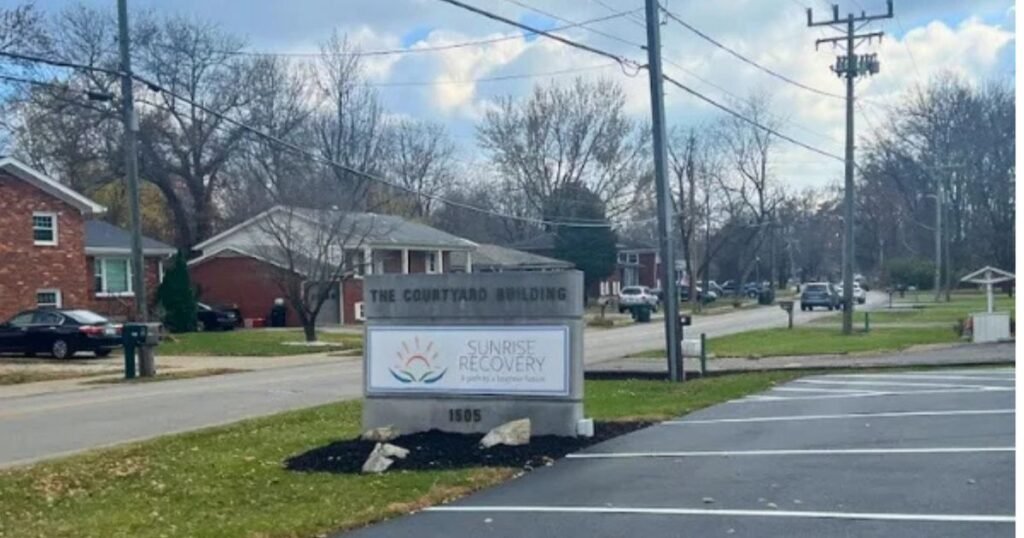
Help is available across Indiana, in person and online. Sunrise Recovery has locations in Clarksville, Jeffersonville, and Lafayette.
Family and Peer Support Groups
Each support group lists meetings by location and online options on its official website. Confirm times before you go. If evenings are hardest, try a weeknight or an online meeting once.
Crisis Lines
If your loved one is in immediate danger or you suspect an overdose, call 911. For emotional crisis support, call or text 988. For treatment referrals, call the SAMHSA National Helpline at 1-800-662-4357.
When to Talk With a Treatment Team
Reach out if cravings are increasing, appointments are being missed, or you are unsure how to help. You do not need to wait for a crisis. Sunrise’s PHP includes family therapy sessions and education. Family sessions may be offered remotely when clinically appropriate. Call (877) 978-6747 anytime.
FAQs: How to Support a Loved One in Recovery
How can I support someone in early recovery?
Keep things calm and predictable. Offer rides to appointments, keep alcohol and drugs out of the home, and plan substance-free activities.
If your son has a Tuesday session, ask whether he wants company on the drive. Listen more than you advise, and celebrate small milestones.
What should I not say to someone in recovery?
Avoid labels like “addict” or “weak.” Skip ultimatums and constant questions about whether they are using. Try “I’m proud of you” or “How can I help today?”
If your partner seems down after a meeting, say “I’m here if you want to talk.” Avoid “Did you slip?”
What is the difference between helping and enabling?
Helping supports recovery and lets your loved one face their own responsibilities. Enabling shields them from consequences, such as covering for missed work or handing over cash.
Paying a utility company directly is helping. Giving cash with no questions asked is enabling. When unsure, ask a counselor.
What should I do if my loved one relapses?
Stay calm, avoid blame, and check that they are safe. Relapse is common and does not mean treatment failed. If there is an overdose risk, call 911. For emotional crisis support, call or text 988.
If your friend tells you she used last night, say, “I’m glad you told me. Let’s call your counselor together.”
Where can families find support in Indiana?
Join Al-Anon, Nar-Anon, or SMART Recovery Family & Friends meetings, in person or online. Ask a treatment provider about family counseling. Confirm meeting times before attending.
For referrals, call the SAMHSA National Helpline at 1-800-662-4357. Our team can also help you find the right next step.
Talk With Sunrise Recovery
Questions about a loved one’s treatment, or how your family can help? Call us anytime at (877) 978-6747. You can also send a message or check your insurance benefits.